Antennas are crucial for wireless communication, but choosing the right type can be challenging. PCB antennas offer cost-effective solutions, while FPC antennas provide flexibility. Understanding these antennas helps in selecting the best fit for your device. In this post, you'll learn the differences between PCB and FPC antennas and their applications.
What is a PCB Antenna?
Definition and Basic Structure
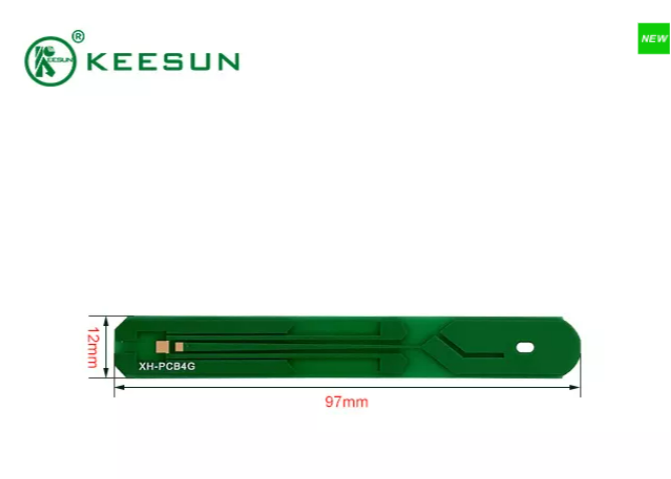
A PCB antenna is an antenna integrated directly onto a printed circuit board (PCB). It is created by etching the antenna pattern onto the rigid surface of the PCB, usually made from fiberglass-reinforced epoxy laminate. The antenna forms part of the circuit board itself, eliminating the need for separate antenna components.
Typically, these antennas are single-layered and flat, designed to operate on specific frequency bands, such as Bluetooth, WiFi, or Zigbee. The antenna pattern often consists of copper traces shaped to optimize signal transmission and reception. Because the antenna is part of the PCB, it offers a compact design and a stable, fixed position within the device.
Common Applications in Electronics
PCB antennas are widely used in devices where cost and stability are key factors. They often appear in:
● Single-band wireless modules: Devices like Bluetooth speakers, WiFi routers, and Zigbee-enabled smart home gadgets commonly use PCB antennas. Their simple design suits single-frequency operation.
● Consumer electronics: TVs, remote controls, and some wearables use PCB antennas for reliable wireless connectivity.
● Industrial and automotive electronics: Equipment requiring stable, fixed antenna placement, such as vehicle telematics or industrial sensors, benefit from PCB antennas.
● Cost-sensitive devices: Since PCB antennas are produced during the PCB manufacturing process, they reduce component count and assembly costs, making them ideal for budget devices.
However, because PCB antennas are etched on a rigid board, their design flexibility is limited. They usually require enough flat PCB space and are less adaptable to multi-band or complex antenna requirements.
What is an FPC Antenna?
Definition and Basic Structure
An FPC antenna, or Flexible Printed Circuit antenna, is built on a flexible substrate, usually made from materials like polyimide. Unlike the rigid PCB antenna, the FPC antenna uses a thin, bendable circuit board that can be shaped to fit various device contours. The antenna pattern is etched or printed onto this flexible film, forming conductive traces that transmit and receive wireless signals.
This flexible design allows the antenna to be separated from the main circuit board and positioned optimally within the device. Typically, FPC antennas are used in multi-band applications, supporting several frequency ranges simultaneously, such as cellular 2G/3G/4G, WiFi, Bluetooth, and emerging 5G networks.
The structure of an FPC antenna includes:
● Flexible substrate: Thin, lightweight, and bendable film.
● Conductive traces: Copper or similar metals etched to form the antenna pattern.
● Adhesive backing: Often included for easy mounting inside devices.
● Protective layers: To shield the antenna from environmental damage and mechanical stress.
Advantages of Flexibility in Design
The flexibility of FPC antennas offers several key benefits:
● Space optimization: They can be bent, folded, or curved to fit into tight or irregular spaces where rigid antennas cannot. This is crucial for compact devices like smartphones, wearables, and IoT gadgets.
● Improved placement: Designers can position the antenna away from interference sources or inside custom enclosures, enhancing signal quality.
● Multi-band capability: FPC antennas can be designed to handle multiple frequency bands in one compact unit, reducing the need for several antennas.
● Lightweight and thin: They add minimal weight and thickness, helping keep devices slim and portable.
● Ease of integration: The adhesive backing and flexible nature simplify assembly and reduce the number of parts and connectors.
● Durability under movement: They withstand bending and vibrations better than rigid antennas, making them ideal for devices subject to motion.
These advantages make FPC antennas highly suitable for modern electronics requiring compact, versatile, and high-performance wireless components.
Key Differences Between PCB and FPC Antennas
Material and Construction
PCB antennas are etched directly onto rigid printed circuit boards made from materials like fiberglass-reinforced epoxy. This rigid base offers stability but limits bending or shaping. The antenna pattern is fixed flat on the board, integrated during PCB manufacturing.
FPC antennas use flexible substrates such as polyimide films. These thin, bendable materials allow the antenna to curve, fold, or wrap around device parts. Conductive copper traces form the antenna pattern on this flexible film, often with adhesive backing for easy mounting inside devices. Unlike PCB antennas, FPC antennas can be designed separately from the main circuit board, offering more installation options.
Performance and Signal Strength
Both PCB and FPC antennas can deliver strong wireless signals when well designed. PCB antennas benefit from a stable, fixed position on the circuit board, which helps maintain consistent signal quality. However, their performance depends heavily on the available PCB space and ground plane size.
FPC antennas often achieve similar or better performance despite requiring less ground space. Their flexibility allows placement in optimal locations inside devices, reducing interference and improving signal reception. They support multi-band operation, handling several frequency ranges in one compact antenna, making them ideal for complex wireless standards like 5G and WiFi 6.
Space and Design Adaptability
PCB antennas need relatively flat, rigid areas on the circuit board, limiting design flexibility. Their size and shape must fit within the PCB layout, which can be restrictive in compact devices.
In contrast, FPC antennas excel in space-saving and design adaptability. They can fit into tight, curved, or irregular spaces where rigid antennas cannot. This makes them perfect for slim smartphones, wearables, and IoT gadgets. Their thin profile also helps reduce overall device thickness and weight.
Benefits of PCB Antennas
Cost-Effectiveness
One of the biggest benefits of PCB antennas is their cost-effectiveness. Since the antenna is etched directly onto the printed circuit board during manufacturing, no extra components or assembly steps are needed. This integration reduces material costs and labor, making PCB antennas ideal for mass production. Devices targeting budget-conscious markets benefit from this approach, as it keeps overall product costs low without sacrificing basic wireless functionality.
Moreover, PCB antennas avoid the need for additional connectors or cables, which further cuts down on manufacturing complexity and potential points of failure. This simplicity also speeds up production cycles, helping manufacturers meet high-volume demands efficiently.
Stability and Reliability
PCB antennas offer excellent stability and reliability due to their fixed, rigid structure. Being part of the circuit board, they maintain a consistent position and shape, which helps preserve antenna performance over time. This fixed placement minimizes mechanical stress or movement that could degrade signal quality.
The rigid substrate material used in PCBs, typically fiberglass-reinforced epoxy, provides strong support and durability. This robustness makes PCB antennas well-suited for devices exposed to vibration or shocks, such as automotive electronics or industrial sensors.
Additionally, once the PCB antenna design is finalized and tested, it generally requires little to no adjustment during production. This repeatability ensures consistent wireless performance across large batches of devices.
Advantages of FPC Antennas
Space-Saving Design
One of the biggest advantages of FPC antennas is their ability to save space inside electronic devices. Because they are made on flexible substrates, these antennas can bend, fold, or curve to fit into tight or oddly shaped areas where rigid PCB antennas simply won't fit. This flexibility lets designers use every bit of internal space efficiently, which is crucial for slim smartphones, compact wearables, and other miniaturized gadgets.
For example, in a smartwatch, the FPC antenna can wrap around the battery or fit along curved edges without adding bulk. This helps keep the device thin and lightweight while still maintaining strong wireless connectivity. The thin profile of FPC antennas also contributes to reducing overall device thickness, making them ideal for sleek, modern designs.
Versatility in Applications
FPC antennas are highly versatile and can support a wide range of wireless technologies and frequency bands. Their flexible nature allows them to be positioned optimally inside devices to avoid interference and improve signal quality. This makes them perfect for multi-band applications, such as smartphones that need to handle 2G, 3G, 4G, 5G, WiFi, and Bluetooth all at once.
They are also well-suited for devices that experience movement or vibration, like fitness trackers or automotive sensors. Since the antenna can flex without damage, it maintains performance even under repeated bending or shocks. Additionally, FPC antennas often come with adhesive backing, simplifying assembly and integration into various product enclosures.
This adaptability means FPC antennas can be customized for a broad range of products, from IoT devices and medical equipment to drones and industrial tools. Their ability to conform to different shapes and sizes gives manufacturers greater freedom in product design without compromising wireless performance.
Applications of PCB Antennas
Use in Single-Band Devices
PCB antennas are commonly found in single-band devices. These devices operate on one frequency, such as Bluetooth, WiFi, or Zigbee. Because PCB antennas are etched directly onto the circuit board, they are optimized for a specific frequency band. This makes them ideal for simple wireless communication needs.
Examples include:
● Bluetooth speakers: They require stable, single-frequency antennas to maintain clear audio streaming.
● WiFi routers: Often use PCB antennas designed specifically for 2.4 GHz or 5 GHz bands.
● Smart home devices: Many use PCB antennas for reliable, low-cost connectivity on a single frequency.
The straightforward design of PCB antennas suits these applications well. They provide consistent performance without the need for complex tuning or multi-band support.
Role in Cost-Sensitive Electronics
Cost is a major factor in many electronics markets. PCB antennas help reduce expenses by integrating directly into the printed circuit board. This eliminates extra parts, assembly steps, and connectors, lowering manufacturing costs.
Devices that benefit from this cost-effectiveness include:
● Entry-level smartphones: Where budget constraints limit component costs.
● Remote controls: Simple devices that need reliable wireless links without added expense.
● Basic IoT sensors: Often deployed in large numbers, making cost savings critical.
Because PCB antennas are produced during PCB fabrication, they streamline production. This integration also reduces failure points, improving overall device reliability.
However, their rigidity and space requirements mean they fit best in devices with enough PCB area and simple wireless needs. For applications demanding multi-band or flexible placement, other antenna types may be preferable.
Applications of FPC Antennas
Use in Multi-Band Devices
FPC antennas are ideal for multi-band devices that need to support several frequency ranges at once. Their flexible design allows them to handle complex wireless standards like 2G, 3G, 4G, 5G, WiFi, and Bluetooth all in one compact antenna. This multi-band capability reduces the need for multiple antennas inside a device, saving space and simplifying the internal layout.
Smartphones are a prime example. They require antennas that work across many bands to ensure seamless connectivity worldwide. FPC antennas can be shaped and positioned to optimize performance for all these frequencies, improving call quality, data speeds, and wireless reliability.
Other devices benefiting from multi-band FPC antennas include tablets, laptops, and IoT gateways. These devices often juggle different wireless protocols simultaneously. The FPC antenna’s ability to conform to device contours and support multiple bands makes it a perfect fit.
Role in Compact and Lightweight Electronics
FPC antennas shine in compact, lightweight electronics where space and weight are at a premium. Their thin, flexible substrate lets designers tuck antennas into small or curved spaces unreachable by rigid PCB antennas. This flexibility helps keep devices slim and light without sacrificing wireless performance.
Wearables like smartwatches and fitness trackers rely heavily on FPC antennas. These devices are small and often curved, requiring antennas that bend without breaking. FPC antennas fit snugly around batteries or along curved edges, maintaining good signal strength while preserving device aesthetics.
Similarly, ultra-compact IoT devices and medical gadgets benefit from FPC antennas. They can be integrated inside tiny enclosures, ensuring reliable wireless links without adding bulk. The adhesive backing on many FPC antennas also simplifies assembly, reducing production time.
In automotive electronics, where vibration and movement are common, FPC antennas offer durability and consistent performance. Their ability to flex without damage makes them suitable for sensors and communication modules inside vehicles.
Conclusion
Choosing the right antenna depends on your device's needs. PCB antennas are cost-effective and reliable for single-band applications, while FPC antennas offer flexibility and multi-band support for compact devices. Future trends in antenna technology point towards more adaptable and efficient designs. Keesun specializes in advanced antenna solutions, providing products that maximize space and enhance wireless performance. Their expertise ensures valuable contributions to the evolving landscape of electronics, catering to diverse industry requirements.
FAQ
Q: What is a PCB antenna?
A: A PCB antenna is an antenna directly integrated onto a printed circuit board, using copper traces to optimize wireless signal transmission.
Q: How does a PCB antenna work in electronics?
A: PCB antennas operate by using etched copper patterns on a circuit board to transmit and receive wireless signals, often used in single-band devices.
Q: Why choose a PCB antenna over an FPC antenna?
A: Choose a PCB antenna for cost-effectiveness and stability in devices with rigid, flat designs and single-frequency needs.
Q: What are the benefits of using a PCB antenna?
A: PCB antennas offer cost savings, stability, and reliability by integrating directly onto the circuit board, reducing components and assembly steps.


