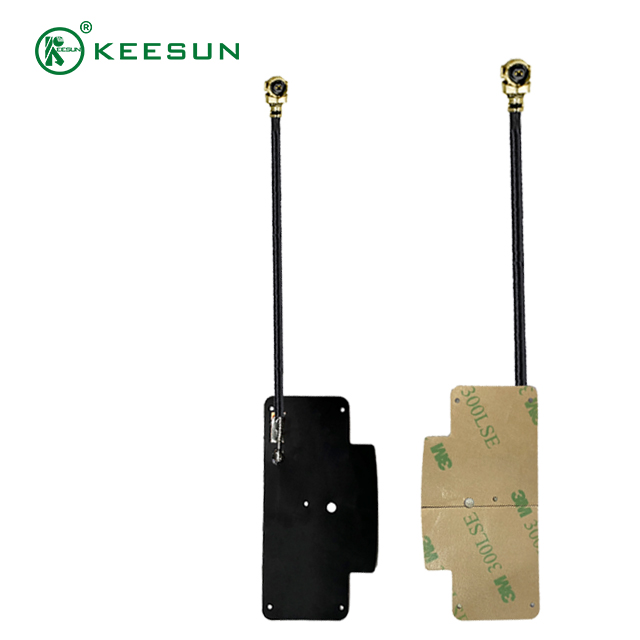
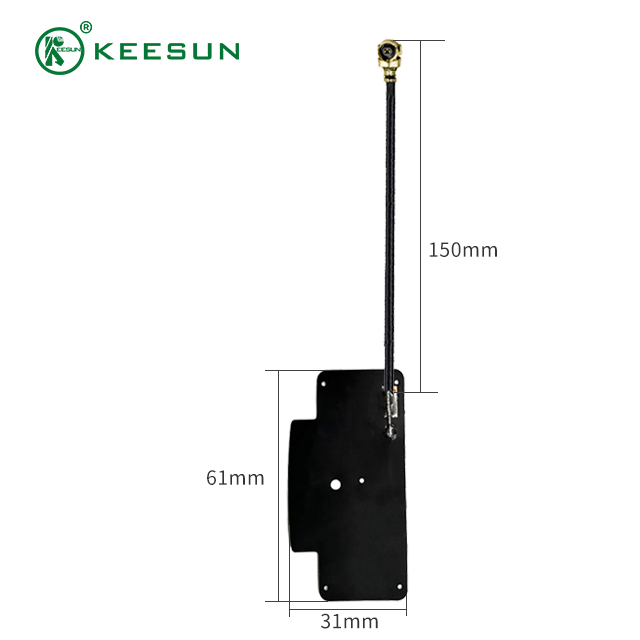
This product description details a highly specialized 433 MHz FPC (Flexible Printed Circuit) Antenna. Designed for integration into compact electronic devices, this antenna provides a high-performance solution for license-free communication in the popular 433 MHz ISM (Industrial, Scientific, and Medical) band. Its flexible form factor, lightweight construction, and simple I-PEX (U.FL/MHF) connection make it the definitive choice for space-constrained Internet of Things (IoT), Machine-to-Machine (M2M), and short-range wireless applications.
Key Technical Attributes and Integration Benefits
The FPC antenna is a modern solution that prioritizes efficiency, durability, and ease of installation in the highly competitive market of embedded wireless devices.
Optimized for the 433 MHz ISM Band
The antenna is precisely tuned for optimal operation within the 433.05 MHz to 434.79 MHz band. This frequency range is widely utilized globally for low-power, short-range wireless data transmission, particularly favored because the lower frequency offers superior signal penetration through obstacles (like walls and light structures) and extended range compared to higher frequency bands (like 2.4 GHz). This reliable performance is crucial for robust telemetry and control applications.
Flexible Printed Circuit (FPC) Technology
The core of the antenna is its Flexible Printed Circuit construction. This technology offers significant advantages for embedded systems:
Ultra-Thin and Lightweight: The FPC material is extremely thin, allowing it to be integrated seamlessly into the narrowest device housings without adding bulk.
Conformable: The antenna element can be gently bent or curved to fit the contours of a product's enclosure, maximizing space efficiency and ensuring optimal placement within complex designs where rigid antennas cannot be used.
High Durability: Despite its flexibility, FPC material is mechanically robust, making it resistant to vibration and minor physical stress common in mobile or installed devices.
Integrated Flexible Coaxial Cable
The antenna includes a pre-attached, flexible coaxial cable . This feature is vital for two reasons:
Impedance Matching: The cable length is often engineered to assist in impedance matching to the host radio, ensuring maximum power transfer and minimal signal reflection (low VSWR).
Simplified Installation: It eliminates the need for complex, delicate soldering directly to the PCB, reducing manufacturing complexity and cost.
I-PEX (U.FL/MHF) Connector Interface
The cable is terminated with an I-PEX connector (often referred to as U.FL, MHF, or IPX). This micro-miniature connector is the industry standard for connecting embedded antennas to device PCBs (Printed Circuit Boards).
Snap-on Mechanism: The connector offers a secure, yet easy-to-disconnect, snap-on mating process to the corresponding I-PEX receptacle on the host radio module.
Minimal Footprint: The extremely small size of the connector has a minimal physical footprint on the PCB, preserving valuable board space for other electronic components.
Usage Scenarios: Embedded and Compact Wireless Devices
The compact, flexible nature of the 433 MHz FPC antenna makes it the ideal choice for integrating reliable wireless communication into small, battery-powered, and portable electronic products.
Consumer Electronics and Smart Home Devices
This antenna is widely used in smart home devices for short-range command and control, leveraging the 433 MHz band's excellent penetration for reliable indoor communication:
Wireless Door/Window Sensors: Due to its slim profile, the FPC antenna fits perfectly within the narrow casings of contact sensors, transmitting status data (open/closed) to a central hub.
Remote Controls: The antenna is used in key fobs, garage door openers, and universal remote controls, providing reliable line-of-sight and basic non-line-of-sight command execution.
Small Weather Stations: Transmitting outdoor temperature and humidity readings from a small, battery-powered sensor unit back to the indoor display console.
Industrial IoT (IIoT) and Telemetry
In industrial and environmental monitoring, the low-frequency range is preferred for its robust coverage capabilities:
Asset Tracking Tags: Fitting discreetly inside asset tags for tracking equipment or goods within a local facility or compound.
Wireless Alarms and Pagers: Providing stable communication for low-data-rate signaling and alert systems in factory environments.
Utility Monitoring: Integrated into small, embedded sensors for monitoring pressure, temperature, or flow data within machinery or pipelines, utilizing the 433 MHz range for long-distance, low-power telemetry reporting.
Security and Access Control Systems
The reliable, robust nature of the 433 MHz signal makes this antenna perfect for security applications:
Car Alarms and Remote Start Systems: Fitted inside compact key fobs and vehicle modules for reliable activation and deactivation signals.
Personal Emergency Response Systems (PERS): Ensuring a clear signal from a small, wearable panic button to the central receiver unit, a critical function where signal reliability is paramount.
The 433 MHz FPC Antenna with Flexible Coaxial Cable and I-PEX Connector provides manufacturers with a high-efficiency, space-saving solution, making it easier than ever to build powerful, connected devices without compromising on size or aesthetics.