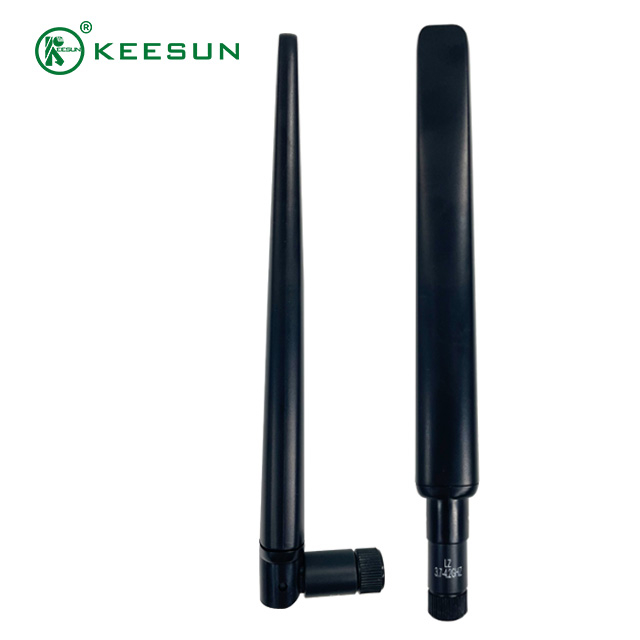
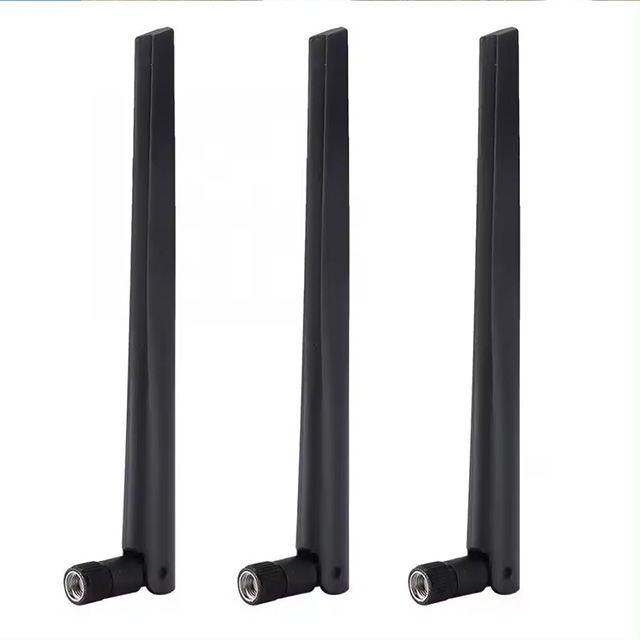
The deployment of 5G technology has been one of the most significant milestones in the evolution of wireless communication. With its promise of ultra-fast data speeds, low latency, and the ability to connect a massive number of devices, 5G is set to revolutionize the way we live and work. At the heart of 5G networks are 5G antennas, which are crucial for ensuring that the technology delivers on its potential. But what exactly are 5G antennas, and how do they compare to their 4G counterparts? In this article, we will explore the fundamental differences between 5G and 4G antennas, their technologies, and their real-world applications.
What is a 5G Antenna?
Definition and Role of 5G Antennas
A 5G antenna is a specialized device designed to transmit and receive radio signals that are crucial for the operation of 5G wireless networks. These antennas work by converting electrical signals into electromagnetic waves, which are then transmitted through the air to be received by other antennas or devices. The primary role of 5G antennas is to support the high-frequency bands that 5G utilizes, including millimeter-wave (mmWave) frequencies, which allow for ultra-fast data rates but come with challenges such as limited range and signal attenuation.
5G antennas are a step forward from their 4G counterparts. They are more advanced, offering capabilities like massive MIMO (Multiple Input, Multiple Output) and beamforming, both of which significantly enhance the performance and efficiency of 5G networks. These technologies allow 5G networks to handle a larger number of devices, provide higher speeds, and reduce latency compared to 4G networks.
Core Technologies Behind 5G Antennas
Massive MIMO: This technology uses a large array of antennas to serve multiple users simultaneously, boosting network capacity and throughput. It allows for the efficient use of available spectrum and helps provide reliable connectivity in high-demand areas.
Beamforming: Beamforming is a technique that allows 5G antennas to focus their signals in specific directions rather than broadcasting them in all directions. This directional signal transmission improves efficiency, reduces interference, and enhances overall network performance.
Higher Frequency Bands: 5G antennas operate on much higher frequency bands than 4G, including mmWave frequencies (24 GHz and above). These high-frequency bands provide faster data speeds but have limited range and penetration, making them more susceptible to interference from obstacles like buildings and trees.
What is a 4G Antenna?
Definition and Characteristics of 4G Antennas
A 4G antenna is a device used in 4G LTE (Long Term Evolution) networks to transmit and receive radio signals at frequencies primarily between 700 MHz and 2.6 GHz. These antennas were designed to support the relatively lower speeds and wider coverage areas associated with 4G technology. While 4G antennas provide sufficient bandwidth for standard mobile communication, their capabilities are limited compared to the cutting-edge technology offered by 5G antennas.
The design of 4G antennas typically includes MIMO technology, which helps improve performance by using multiple antennas to send and receive data simultaneously. However, 4G MIMO is less advanced than the massive MIMO used in 5G, limiting its capacity in environments with high demand for data.
Traditional 4G Antenna Design
Traditional 4G antennas are often designed to provide wide-area coverage and strong penetration through obstacles like buildings. They are typically large, with multiple antenna elements, and are installed on tall towers or other high structures to maximize their reach. However, as we transition to 5G, the limitations of 4G antennas in terms of capacity, speed, and density are becoming more apparent.
Key Differences Between 5G and 4G Antennas
Frequency Range Comparison
One of the most fundamental differences between 5G antennas and 4G antennas is the frequency range they operate in. While 4G antennas primarily use frequencies between 700 MHz and 2.6 GHz, 5G antennas operate across a broader spectrum, including sub-6 GHz bands and mmWave bands (24 GHz and above).
The higher frequencies used by 5G allow for faster data rates and greater capacity, but they come with limitations. Higher frequencies are more susceptible to interference, meaning that 5G networks require more base stations and small cells to ensure coverage. This is in contrast to 4G, which has better penetration and longer range, particularly in rural or less densely populated areas.
Supporting Technologies
5G Antennas: The implementation of massive MIMO and beamforming technologies allows for a larger antenna array and more targeted, high-efficiency transmission of data. These technologies enable higher throughput, lower latency, and the ability to support more simultaneous users. Additionally, 5G antennas can switch between different frequency bands to optimize coverage.
4G Antennas: While 4G antennas also use MIMO technology, it is less advanced than the massive MIMO used in 5G. 4G MIMO typically involves fewer antennas and is used primarily to improve signal quality and capacity in urban environments, but it doesn't support the high demand for data that 5G is designed to handle.
Antenna Design and Form Factor
5G Antennas: 5G antennas are generally more compact and designed to support higher-frequency bands. They can be integrated into smaller cells, rooftops, or even within small mobile devices. The use of multiple antenna arrays is common in 5G to improve coverage and capacity, especially in dense environments.
4G Antennas: 4G antennas are typically larger and more visible. They require taller masts or towers to ensure effective coverage. While the design is simpler, it doesn't allow for the dense deployment needed in 5G networks.
Capacity and Connectivity
5G antennas have been designed with high-density connectivity in mind, enabling the simultaneous connection of thousands of devices per square kilometer. This is particularly important for the Internet of Things (IoT) and smart cities, where millions of connected devices are expected to communicate in real-time.
In contrast, 4G antennas, while capable of supporting mobile communication, are not designed for such high-density usage. 4G is better suited for less congested areas and can struggle to provide reliable service in environments with a high concentration of devices.
Practical Implications for Network Deployment
Infrastructure Requirements
5G requires a denser infrastructure compared to 4G. This means that more base stations and small cells need to be deployed to ensure continuous coverage, especially in urban areas. The higher frequency bands used by 5G do not travel as far as the lower-frequency bands used by 4G, necessitating the installation of more antennas to fill in the coverage gaps.
4G Deployment: Fewer base stations, larger coverage areas
5G Deployment: More small cells, high density in urban environments
Coverage vs Penetration Trade-offs
5G networks face a trade-off between coverage and penetration. While they can provide higher speeds, they are less capable of penetrating buildings or natural obstacles like trees and hills. To address this, 5G networks are designed to be more localized, with small cells deployed in areas where coverage is limited.
4G, on the other hand, is better suited for wide-area coverage and has stronger signal penetration. This makes it more effective in rural areas or regions with fewer obstacles.
Deployment Scenarios
5G: Best suited for high-traffic areas, smart cities, autonomous vehicles, and IoT applications.
4G: Ideal for suburban and rural areas, providing broad coverage with sufficient speeds for everyday mobile communication.
Future Trends in Antenna Technology
Evolving 5G Tech
As 5G continues to evolve, beamforming and massive MIMO technologies will become even more advanced. These innovations will allow antennas to focus signals with greater precision, enhancing network efficiency.
Integration with IoT and Edge Computing
5G antennas are expected to play a pivotal role in the Internet of Things (IoT) and edge computing. The ability to support thousands of devices and handle low-latency communication will make 5G an essential technology for smart cities, autonomous vehicles, and industrial automation.
Conclusion
5G antennas represent a significant leap forward from their 4G counterparts. They offer faster speeds, lower latency, and the ability to handle more devices simultaneously. While 4G antennas remain a vital part of global communication networks, the advanced technologies embedded in 5G antennas, such as massive MIMO, beamforming, and the use of higher frequency bands, are essential to meeting the growing demands of modern connectivity.
At Keesun Technology, we are committed to providing the most advanced 5G antenna solutions to meet the evolving needs of our customers. With cutting-edge technologies and expert support, we help businesses deploy reliable and high-performance 5G networks. Contact us today to learn more about how our solutions can enhance your network's performance.
FAQ
What is the main difference between a 4G and 5G antenna?
5G antennas support higher frequencies and advanced technologies like massive MIMO and beamforming, which allow for faster speeds and higher capacity compared to 4G antennas.
Can 5G antennas be used for 4G networks?
While 5G antennas are designed for higher frequencies, they can be used in 4G networks as well, but their capabilities would be underutilized.
Why does 5G require more antennas than 4G?
5G uses higher frequencies, which have a shorter range and are more susceptible to obstacles. This requires a denser network with more antennas to ensure coverage.
How does massive MIMO improve 5G performance?
Massive MIMO uses many more antennas than traditional MIMO to serve multiple users simultaneously, significantly improving network capacity and performance.
What are the challenges in deploying 5G antennas?
The challenges include higher infrastructure costs, signal attenuation, and the need for more base stations to ensure coverage, especially in urban areas.