5G technology has ushered in a new era of wireless communication, providing faster speeds, lower latency, and higher capacity compared to its predecessors. As the demand for more reliable, high-speed networks grows, the role of 5G antennas has become critical in meeting these needs. In this article, we’ll explore how 5G antennas work, the different types and technologies used, and the challenges and applications associated with them.
Introduction to 5G Antennas
5G antennas are a vital component of the next-generation wireless network infrastructure. These antennas are responsible for transmitting and receiving signals that allow data to flow seamlessly between devices and base stations. Unlike the traditional 4G antennas, 5G antennas operate in higher frequency bands, such as millimeter waves (mmWave), which enables ultra-fast data speeds but also brings its own set of challenges. Understanding how 5G antennas work is key to grasping how 5G networks achieve their high-performance capabilities.
As communication technology transitions from 4G to 5G, new challenges and opportunities arise. 5G antennas are designed to support higher data throughput, provide better coverage in dense urban environments, and facilitate the massive increase in connected devices that 5G enables. By exploring how these antennas function, we can better appreciate their role in the future of wireless communication.
The Basics of 5G Antennas
What Are 5G Antennas?
5G antennas are devices that emit and receive radio signals, enabling wireless communication between mobile devices and the network infrastructure. These antennas work by converting electrical signals into electromagnetic waves, which then propagate through the air. The waves are then received by other antennas or devices, where they are converted back into electrical signals for processing.
In the 5G ecosystem, antennas are used in various forms and sizes, depending on the application. These include large base station antennas for macro coverage and smaller, more compact antennas for dense, high-traffic areas.
How Are 5G Antennas Different from 4G Antennas?
The primary difference between 5G and 4G antennas lies in the frequency range they use. 5G antennas are designed to operate in higher frequency bands than 4G, particularly in the mmWave range (24 GHz and above). This allows 5G networks to deliver faster speeds and lower latency, but at the expense of shorter range and reduced ability to penetrate through obstacles like buildings. In contrast, 4G antennas operate in lower frequency bands, which provide broader coverage but lower speeds.
Another key distinction is the adoption of new antenna technologies, such as massive MIMO (Multiple Input, Multiple Output) and beamforming, which significantly improve signal quality and network efficiency in 5G networks.
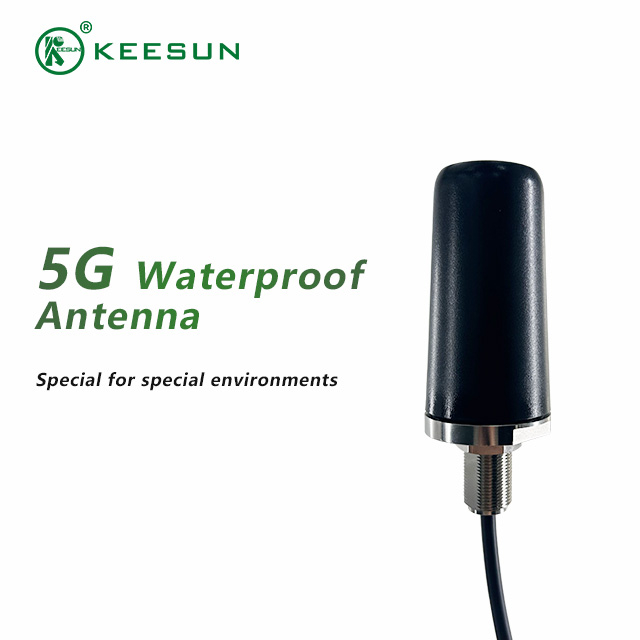
Key 5G Antenna Technologies
Massive MIMO Technology
Massive MIMO is one of the most important innovations in 5G antenna technology. MIMO refers to the use of multiple antennas at both the transmitter and receiver ends to increase the capacity and efficiency of the network. In 5G, massive MIMO takes this concept to the next level by using a much larger number of antennas, often in the hundreds or even thousands.
This technology enables 5G networks to serve more users simultaneously, improving throughput and reducing congestion in high-traffic environments. By spatially separating signals from different users, massive MIMO increases the overall capacity of the network and improves the quality of service for individual users.
Beamforming Technology
Beamforming is another crucial technology used in 5G antennas. It involves shaping the direction of the signal transmission to focus on specific users or devices, rather than broadcasting the signal in all directions. This allows for more efficient use of the available spectrum and reduces interference.
In a 5G network, beamforming helps direct signals to areas with the highest demand, ensuring that users at the edges of coverage zones still experience strong connections. By using multiple antennas in a phased array, 5G antennas can dynamically adjust the direction of the beam in real time, optimizing coverage and performance.
Phased Array Antennas
Phased array antennas are another critical component of 5G antenna systems. These antennas use electronically controlled arrays of antenna elements that can change the direction of the signal without physically moving the antenna. This ability to electronically steer the beam allows for highly efficient, flexible, and precise signal transmission.
Phased array antennas are particularly useful in environments where the signal needs to be directed at specific users or areas, such as in dense urban environments or in high-traffic areas where traditional mechanical steering would be inefficient.
How Does a 5G Antenna Actually Work?
Transmission and Reception of Signals
At its core, a 5G antenna works by transmitting and receiving radio frequency (RF) signals. When data is sent from a mobile device, the antenna converts the electrical signals into electromagnetic waves, which are then transmitted through the air. Similarly, when data is received, the antenna captures the electromagnetic waves and converts them back into electrical signals that the device can process.
The key to achieving high-speed, low-latency communication lies in how effectively the antenna can send and receive these signals. 5G antennas are designed to operate in a wide range of frequencies, with advanced technologies like massive MIMO and beamforming helping to optimize the signal quality and coverage.
Supporting Multiple Frequency Bands
5G antennas are designed to operate in a variety of frequency bands to ensure flexibility and scalability in network deployment. These include:
Sub-6 GHz Bands: These lower frequencies offer broader coverage and are ideal for rural and suburban areas.
mmWave Bands (24 GHz and above): These higher frequencies provide ultra-fast speeds but are limited in range and require a higher density of small cells.
Mid-Bands: A balance between coverage and speed, ideal for urban deployments.
Each band serves a specific purpose in the 5G network, allowing operators to deliver the right performance for different use cases.
Challenges in 5G Antenna Design
While 5G antennas offer tremendous benefits, they also come with challenges. The higher frequency bands used by 5G, particularly mmWave, have a shorter range and are more susceptible to interference from obstacles like buildings and trees. To mitigate these issues, 5G networks require more small cells—compact base stations that can be placed closer to users for better coverage.
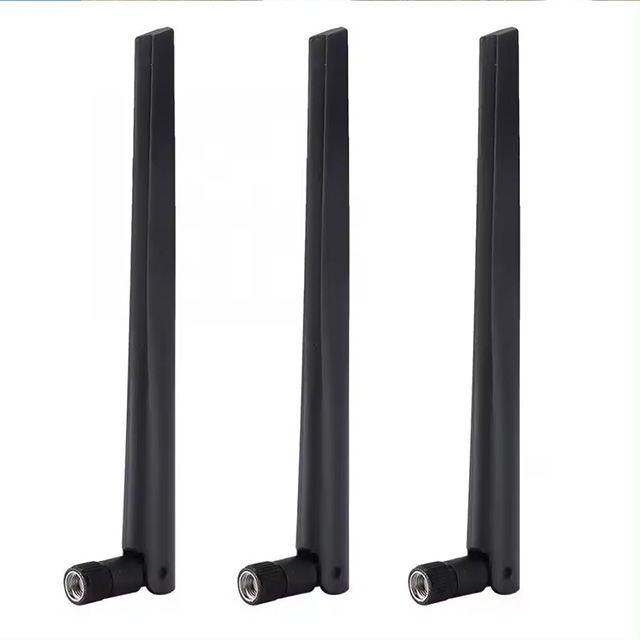
Types of 5G Antennas and Designs
Macro Cell Antennas
Macro cell antennas are large antennas typically used for wide-area coverage. These antennas are deployed on cell towers and are capable of covering long distances. While they are essential for providing coverage in rural or less dense areas, they are not sufficient for high-traffic urban environments, where smaller, denser networks are required.
Small Cell Antennas
Small cell antennas are compact, low-power base stations that are used to supplement the coverage of macro cells in dense urban environments. These antennas are designed to be placed on streetlights, buildings, or other urban infrastructure to provide localized coverage in high-traffic areas. They are particularly important for delivering the ultra-low latency and high-speed data required for 5G applications.
Directional vs. Omnidirectional Antennas
5G antennas can be either directional or omnidirectional. Directional antennas focus the signal in a specific direction, which is ideal for targeting individual users or devices. Omnidirectional antennas, on the other hand, broadcast the signal in all directions, providing a broader coverage area.
Real-World Applications of 5G Antennas
5G antennas are deployed in a wide range of real-world applications, from urban networks to industrial settings. Key areas include:
Smart Cities: Enabling enhanced connectivity for IoT devices and sensors, improving traffic management, energy efficiency, and public safety.
Healthcare: Supporting telemedicine, remote surgeries, and enhanced patient monitoring systems.
Autonomous Vehicles: Providing the low-latency, high-speed communication required for vehicle-to-vehicle and vehicle-to-infrastructure interactions.
Industrial Automation: Enabling real-time data transfer and process control in factories and warehouses.
Future Trends in 5G Antenna Technology
As 5G technology evolves, antenna designs will continue to improve. Emerging trends include:
6G Pre-research: Antennas that support even higher frequencies and greater data throughput.
AI-powered Antennas: Using artificial intelligence to dynamically optimize signal direction and network load.
Automated Adjustment: Antennas that automatically adjust their configurations based on real-time network conditions.
Conclusion
5G antennas are at the heart of the next generation of wireless communication. By understanding how they work and the technologies behind them, we can better appreciate the role they play in delivering high-speed, reliable connections. Whether it’s through massive MIMO, beamforming, or phased array designs, 5G antennas are the backbone of the digital future.
At Keesun, we are dedicated to providing innovative 5G antenna solutions to meet the evolving needs of wireless communication. With cutting-edge technology and a commitment to excellence, we offer tailored solutions that help businesses build robust, future-proof networks. Reach out today to explore how our products can enhance your network's performance.
FAQ
What is the difference between a 4G and 5G antenna?
5G antennas operate at higher frequency bands (including mmWave) compared to 4G antennas, offering faster speeds and lower latency.
How does massive MIMO improve 5G performance?
Massive MIMO increases network capacity by using a larger number of antennas to simultaneously serve multiple users, improving throughput and efficiency.
Why are 5G antennas important in urban areas?
Due to the high-frequency nature of 5G signals, they have limited range and penetration, requiring the use of many small cells in dense urban areas to ensure consistent coverage.
What is beamforming in 5G?
Beamforming is a technology that directs the signal toward specific users or devices, improving signal strength and reducing interference.
How does 5G antenna technology support autonomous vehicles?
5G antennas provide low-latency, high-speed communication necessary for real-time data exchange between vehicles and infrastructure, enabling autonomous vehicle operations.


