Is your Wi-Fi signal unstable, causing video conferences to constantly stutter? Does your outdoor surveillance feed cut in and out, dropping the connection at critical moments? Behind these issues, there's likely a single culprit: incorrect antenna selection. Choosing the right antenna can double your home Wi-Fi speed; conversely, improper base station antenna selection may create extensive signal dead zones, resulting in project losses running into millions.
Fear not, this 2025 All-Scenario Antenna Selection Guide will take you from the very basics, systematically guiding you through selecting the most suitable antenna for your needs and helping you avoid common pitfalls.
Antenna Selection: Define Your Core Requirements
Before selecting an antenna, you must first diagnose your requirements, much like a doctor assessing a patient. This approach helps you swiftly arrow down your search and identify the most suitable solution. We refer to this as the ‘three-dimensional thinking method’:
Dimension One: Antenna Application Scenarios
Indoor:
I your antenna intended for domestic, office, or industrial workshop use? This determines its form factor, dimensions, and materials. For instance, domestic antennas require an aesthetically pleasing, compact design, whereas industrial antennas must withstand high temperatures and resist dust and oil contamination.
Outdoor:
Is it for base station coverage, outdoor surveillance, or vehicle-mounted communications? This dictates that the antenna must possess stringent weather resistance capabilities, including lightning protection, waterproofing, and wind resistance.
Dimension Two: Antenna Operating Frequency Band
The “language” of wireless communication: Antennas must “converse” with devices using the same frequency.
Common frequency bands:
2.4GHz: Wi-Fi, Bluetooth, ZigBee, etc. Strong wall penetration but relatively slower speeds with higher susceptibility to interference.
5GHz: Wi-Fi 5/6, 5G communications. High speeds but weaker wall penetration with comparatively limited signal range.
6GHz: Wi-Fi 6E/7 new frequency band, offering wider channels and reduced interference.
Millimetre wave: 5G millimetre wave base stations and high-speed point-to-point transmission, featuring immense bandwidth but short transmission distances, with stringent requirements for antenna directionality.
915MHz: Commonly used for low-power, long-range IoT communications such as LoRa and RFID.
Dimension Three: Antenna Performance Requirements
Communication range: Do you require short-range (10 metres), medium-range (1 kilometre) or long-range (100 kilometres) communication? This will determine whether you need a directional or omnidirectional antenna, as well as the required antenna gain.
Interference resistance: Is your environment complex? In industrial electromagnetic environments or areas with dense device concentrations, the antenna requires superior anti-interference design, such as polarisation isolation technology.
Antenna Parameters: Understanding Three Key Metrics
Antenna parameters may appear complex, but by mastering the following three core metrics, you can make 80% of your assessments accurate and avoid a disconnect between theory and practice.
Antenna Gain (Gain) - dBi/dBd: Higher is not necessarily better.
Antenna gain describes an antenna's ability to concentrate energy in a specific direction. Many people assume that higher gain equates to greater coverage distance. This is a common misconception! A 15dBi antenna does not necessarily provide greater coverage than a 10dBi antenna. While high-gain antennas concentrate energy in a specific direction, their beamwidth becomes narrower. This means the coverage pattern resembles a focused torch beam rather than a broad floodlight.
For example: If your home router uses a high-gain 10dBi antenna, you might get full signal strength in the living room but no signal at all in the bedroom. A 5dBi omnidirectional antenna, however, provides more even coverage throughout the entire room, ensuring signal reaches every corner.
Pitfall avoidance guide: Blindly pursuing high gain is inadvisable. For scenarios requiring broad coverage (such as domestic Wi-Fi), opt for omnidirectional antennas with moderate gain (e.g., 3-5dBi) to ensure uniform signal distribution. Conversely, high-gain directional antennas are optimal for scenarios demanding long-range point-to-point transmission (such as outdoor surveillance).
Voltage Standing Wave Ratio (VSWR): An indicator of signal integrity
The standing wave ratio (SWR) serves as an indicator of how well an antenna matches the equipment. It functions much like a circuit's “pulse of health” – the closer the value approaches 1, the better the impedance matching between antenna and equipment, resulting in minimal signal loss. A higher SWR indicates signal reflections during transmission, leading to energy dissipation and, in severe cases, potentially burning out the RF module.
How to determine:
· VSWR = 1.0: Ideal perfect matching, with all energy radiated outwards.
· VSWR < 1.5: Excellent, achievable by the vast majority of commercial products.
· VSWR > 2.0: Unacceptable, indicating significant signal loss requiring investigation of antenna or equipment issues.
Avoid Pitfalls Guide: You may utilise a standing wave ratio (VSWR) meter to measure the antenna's VSWR, ensuring it falls within acceptable limits. Selecting an antenna with a low VSWR maximises signal transmission efficiency and safeguards your equipment.
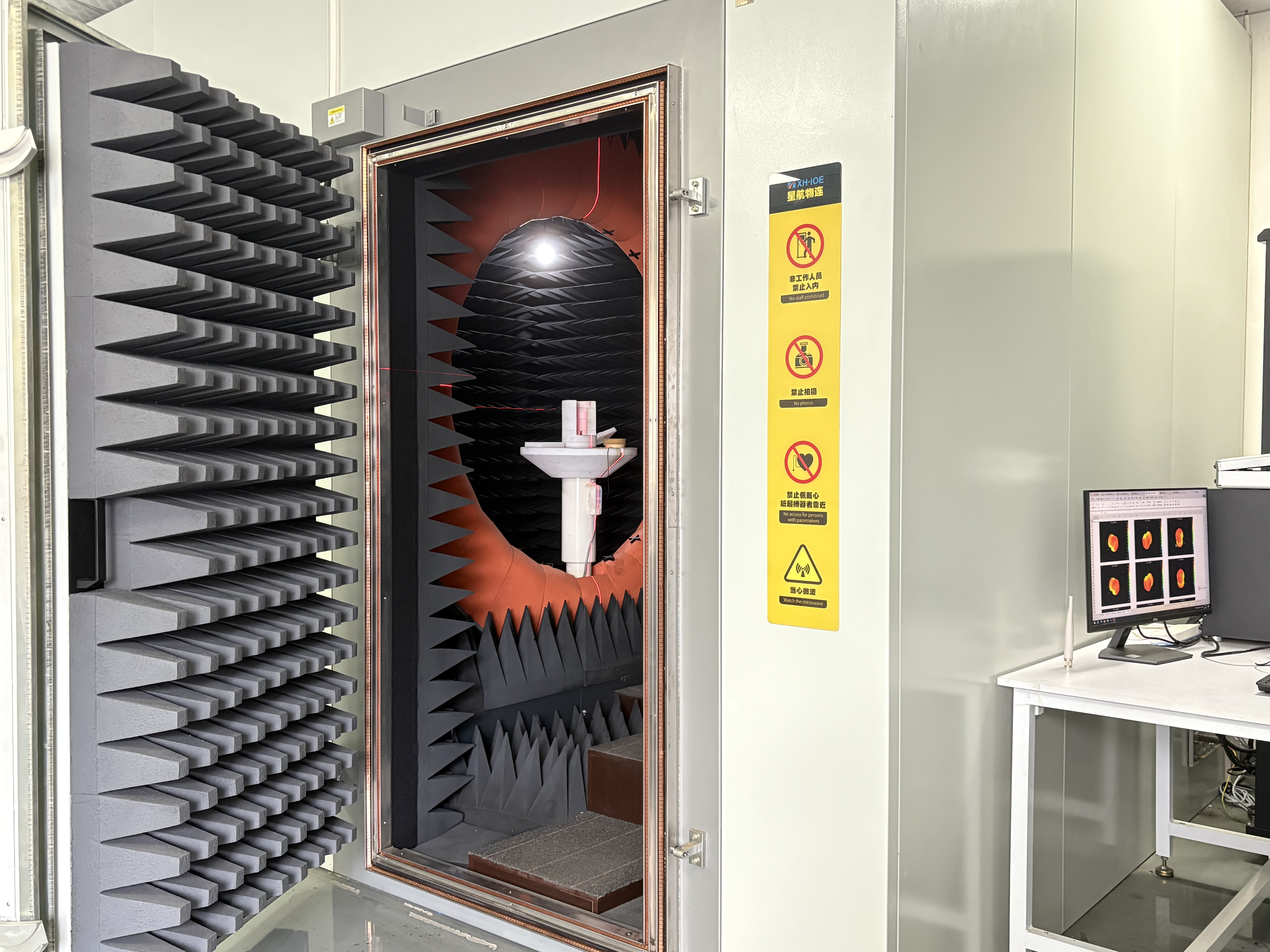
Antenna Polarisation: The manner in which antennas establish communication
Antenna polarisation refers to the direction of vibration of electromagnetic waves. Common types include vertical polarisation, horizontal polarisation, and circular polarisation. Antennas must employ the same polarisation method to achieve optimal communication; otherwise, the signal will be severely attenuated.
Common applications:
Vertical polarisation: Commonly employed in terrestrial mobile communication base stations, as it offers superior resistance to ground reflections.
Circular polarisation: Frequently utilised in satellite communications, where equipment may rotate; circular polarisation ensures stable signal reception unaffected by attitude changes.
Dual polarisation: High-end base stations or MIMO technology often incorporate dual-polarisation antennas, doubling data throughput by transmitting signals with differing polarisation directions.
Antenna Selection: Scenario-Based Recommendations and Pitfall Avoidance Checklist
| Application Scenarios | Recommended Antenna Types | Core parameter requirements | Pitfalls to Avoid |
Outdoor surveillance (1–3 kilometres) | Directional Yagi antenna |
12-15dBi,915MHz/2.4GHz | Ensure the antenna is precisely aligned with the receiving end, with no obstructions in between. During installation, implement waterproofing and lightning protection measures, and pay attention to the orientation of the antenna elements. |
Campus / Factory Coverage (Medium-to-Short Range, Multi-Device Access) | Omnidirectional antenna |
3 - 8dBi,2.4GHz/5GHz | Avoid installation in areas with dense metal structures to prevent signal reflection interference. Maintain an appropriate mounting height: excessive height increases susceptibility to external interference, while insufficient height compromises coverage. |
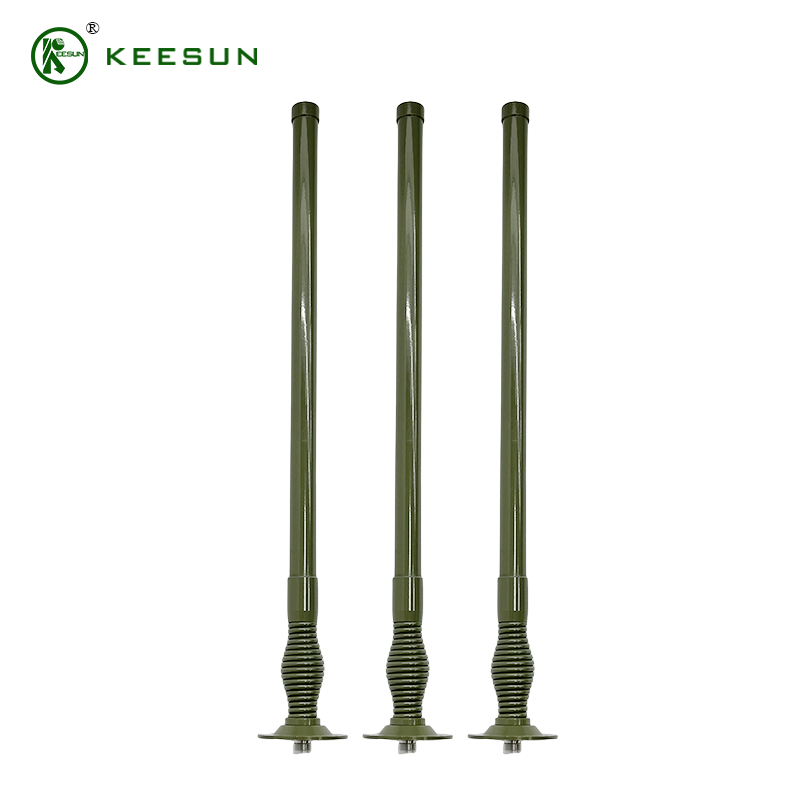
| Long-range wireless transmission (3–10 kilometres) | Fiberglass Antenna |
14 - 18dBi,5.8GHz | Align roughly with the receiving end, adjusting the orientation during installation using simple tools. Inspect the transmission path beforehand to avoid obstruction from nearby trees or low-rise structures, and ensure adequate windproofing and ground anchoring. |
| Signal optimisation for home living rooms and small offices | Omnidirectional antenna |
3 - 6dBi,2.4GHz/5GHz | Position away from sources of interference such as routers and Bluetooth devices, placing it in an open area close to the usage zone. Avoid significant obstruction from items like sofas and filing cabinets. |
We hope this guide assists you in effortlessly selecting the right antenna and bidding farewell to signal troubles. Should you have any queries during the selection process, please leave us a message detailing **‘your specific scenario and requirements’**, and we shall provide tailored recommendations to suit your needs.


